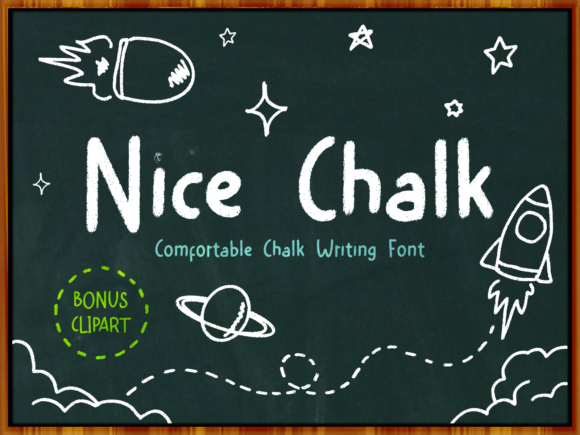
Really Cute: A Handwritten Font for Personalized Branding
I was sitting at my desk, staring at a blank brand board, when I decided it was time to test out Really Cute. It had been recommended by a fellow designer who swore it could bring warmth and personality to any project. As a graphic designer working on a branding project for a small café, I needed something that felt approachable yet elegant. That’s when I first met Really Cute.
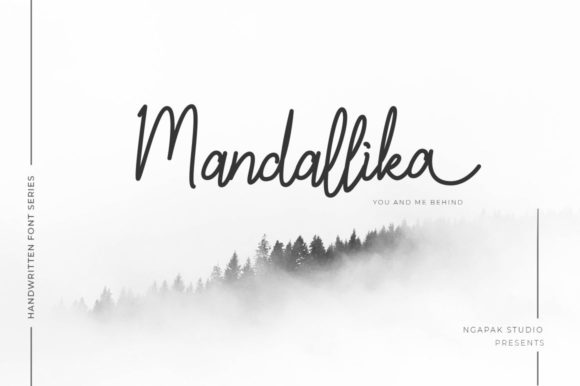
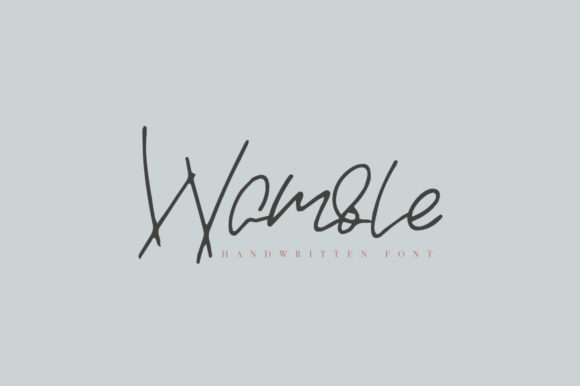
This is a unique and elegant handwritten font with a soft, organic feel. The curves are gentle, the strokes are fluid, and the overall look feels like someone sat down and wrote a letter just for you. It has a certain charm that makes it perfect for designs that require a personal touch—like wedding invitations, thank you cards, or even greeting cards. But I wanted to see how it would work in a more commercial setting.
First Impressions and Initial Testing
I started by applying Really Cute to a logo draft. The café’s name was simple, but I wanted it to feel inviting. When I placed the font over a mockup of a chalkboard sign, it looked natural. The letters had a slight imperfection that gave them character, making the brand feel more human. I noticed how well it balanced between being readable and expressive.
I also tried it on a packaging mockup. The font worked beautifully on a label sticker, adding a sense of authenticity to the product. It wasn’t too ornate, so it didn’t overpower the design. It added just enough personality without sacrificing clarity.
Exploring Use Cases in Real Design Projects
As I moved through the branding process, I found that Really Cute excelled in several areas:
- Logo Design: It brought a warm, friendly vibe to the café’s identity. It wasn’t too formal, which aligned with the brand’s casual, cozy atmosphere.
- Packaging Design: It worked well on product labels, giving them an artisanal feel that matched the café’s handcrafted pastries and beverages.
- Social Media Graphics: When used in Instagram posts or Facebook ads, it added a sense of approachability and made the content feel more personal.
- Website Headers: Placed on a homepage hero section, it created a welcoming tone that encouraged visitors to stay and explore.
- Printed Marketing Materials: From flyers to business cards, it maintained consistency across different formats while still feeling unique.
One thing I noticed early on was that Really Cute works best as a display font or headline font. It’s not ideal for long-form text due to its stylized nature, but when used sparingly, it can be incredibly effective in drawing attention and creating visual interest.
Font Pairing and Practical Considerations
To ensure the font didn’t dominate the design, I paired it with a clean sans-serif typeface for body text. This combination provided balance—Really Cute handled the headings and accents, while the sans-serif font took care of readability and legibility.
I also checked the font’s features. It included a few alternates and ligatures that added subtle variation to the text. These small details helped maintain visual interest without making the typography feel cluttered. Plus, it supported multiple languages, which was important for the café’s multilingual customer base.
The file format was easy to use in both digital and print projects. I didn’t run into any issues with licensing, which was reassuring since the brand would be using the font across various marketing channels.
Design Observations and Recommendations
When testing fonts for a brand, it’s always wise to start with a small sample before committing to a full system. I recommend trying Really Cute on different surfaces—like a shop sign, a business card, or even a label sticker—to see how it behaves in real-world conditions.
If you’re working on a brand that needs a personal touch, Really Cute is worth considering. It brings a sense of warmth and individuality that can be hard to achieve with more standard typefaces. Just remember to use it thoughtfully—let it enhance your message rather than distract from it.
For client work, I’d suggest using this font in short-form text, such as headlines, taglines, or social media captions. It’s not suited for large blocks of text, but when used strategically, it can elevate the overall design and make the brand more memorable.
Overall, I found that Really Cute is a versatile and expressive font that can add personality to a wide range of design projects. Whether you're working on a small boutique, a local restaurant, or a creative studio, this font has the potential to bring your brand to life in a meaningful way.